Our mission.
Vision
Mission
What is hydroponics?
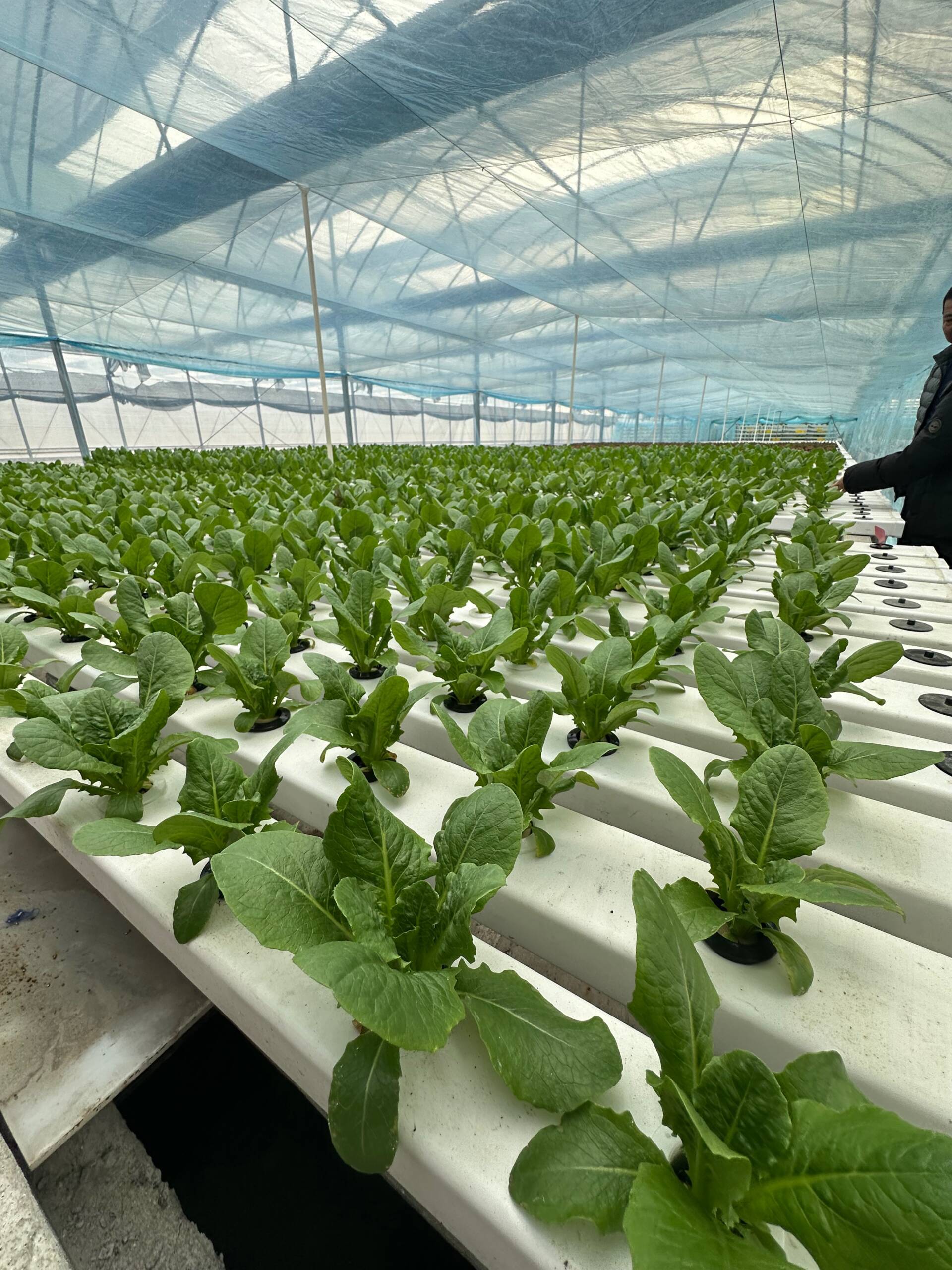
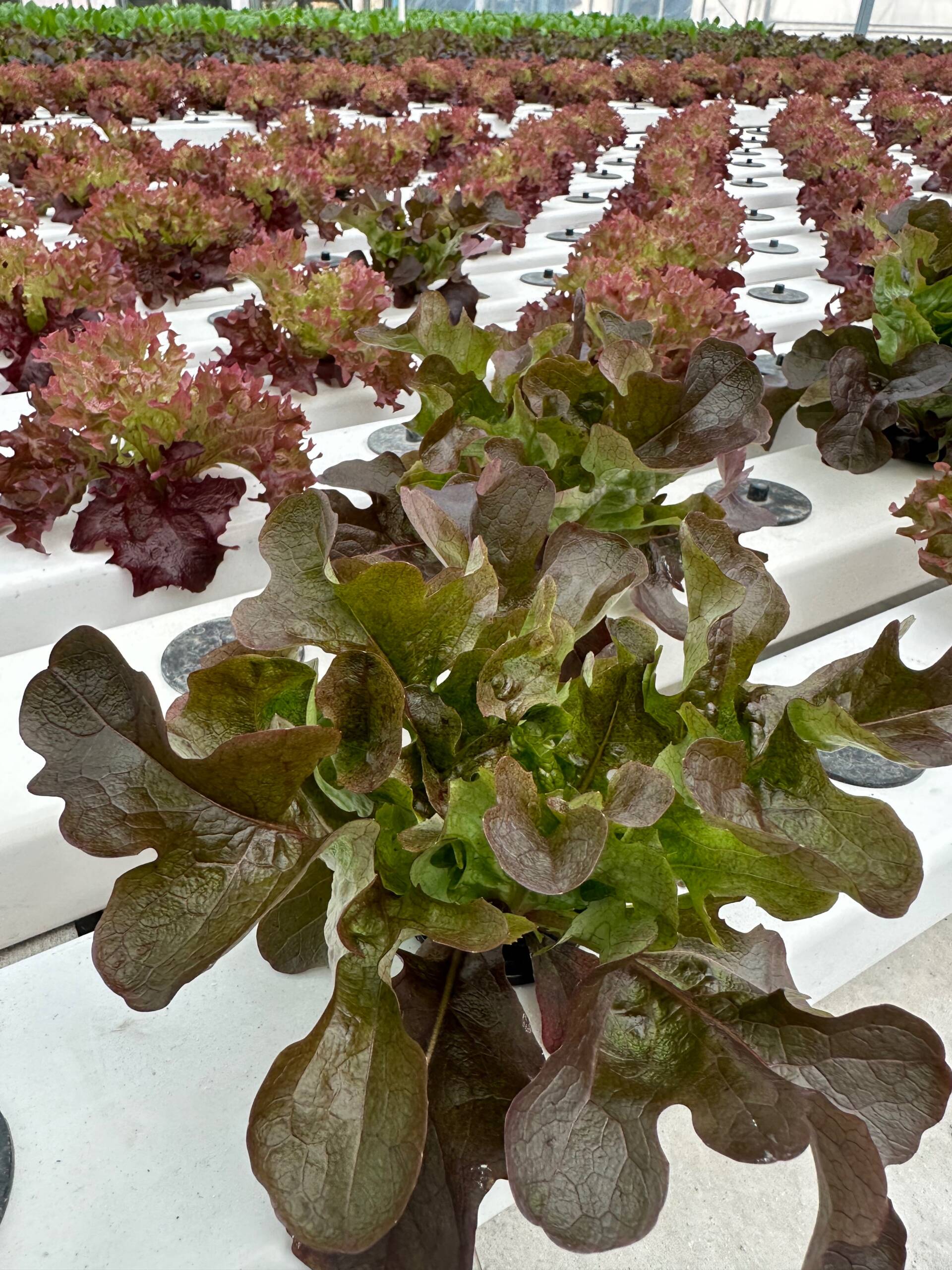
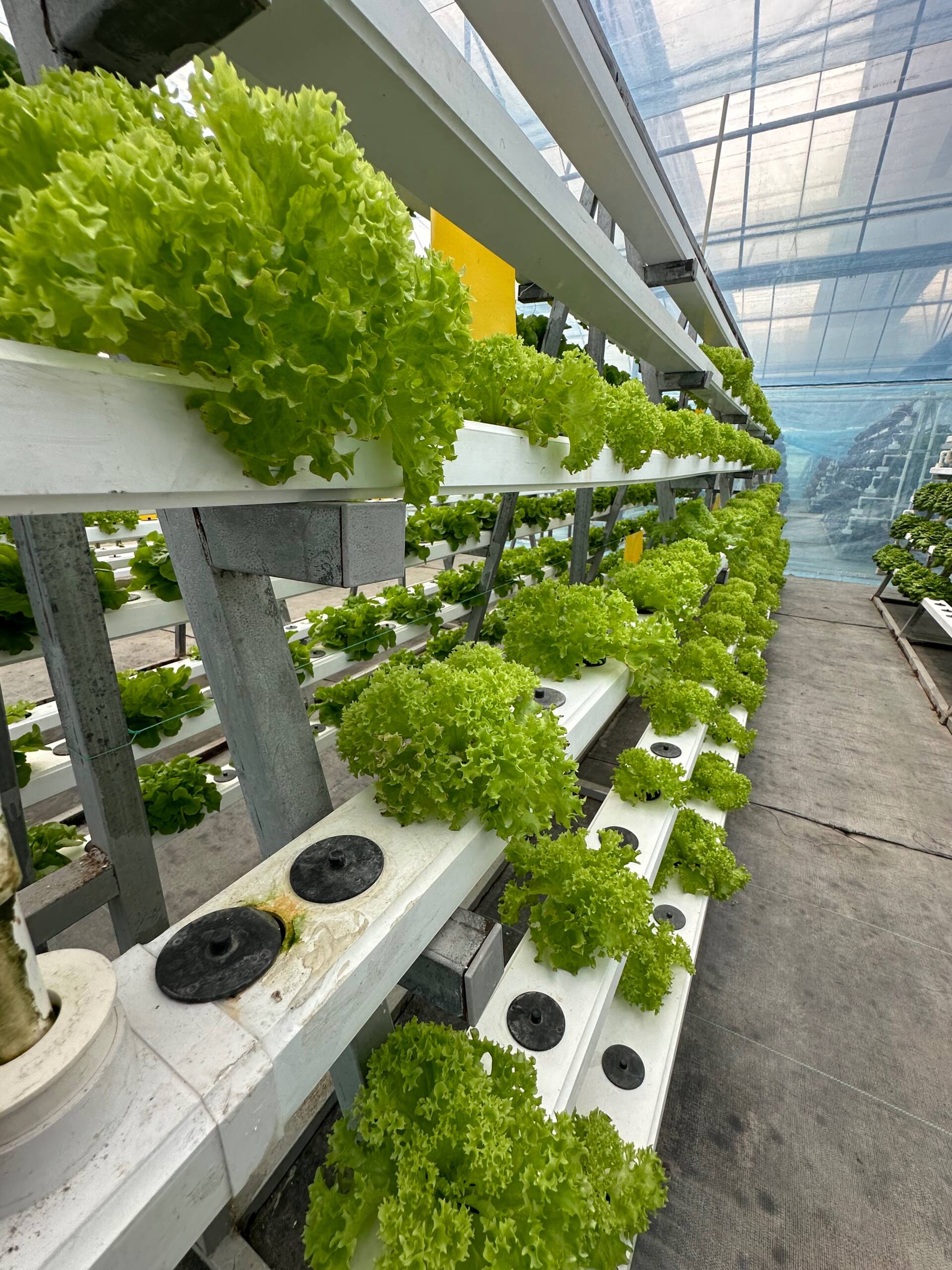
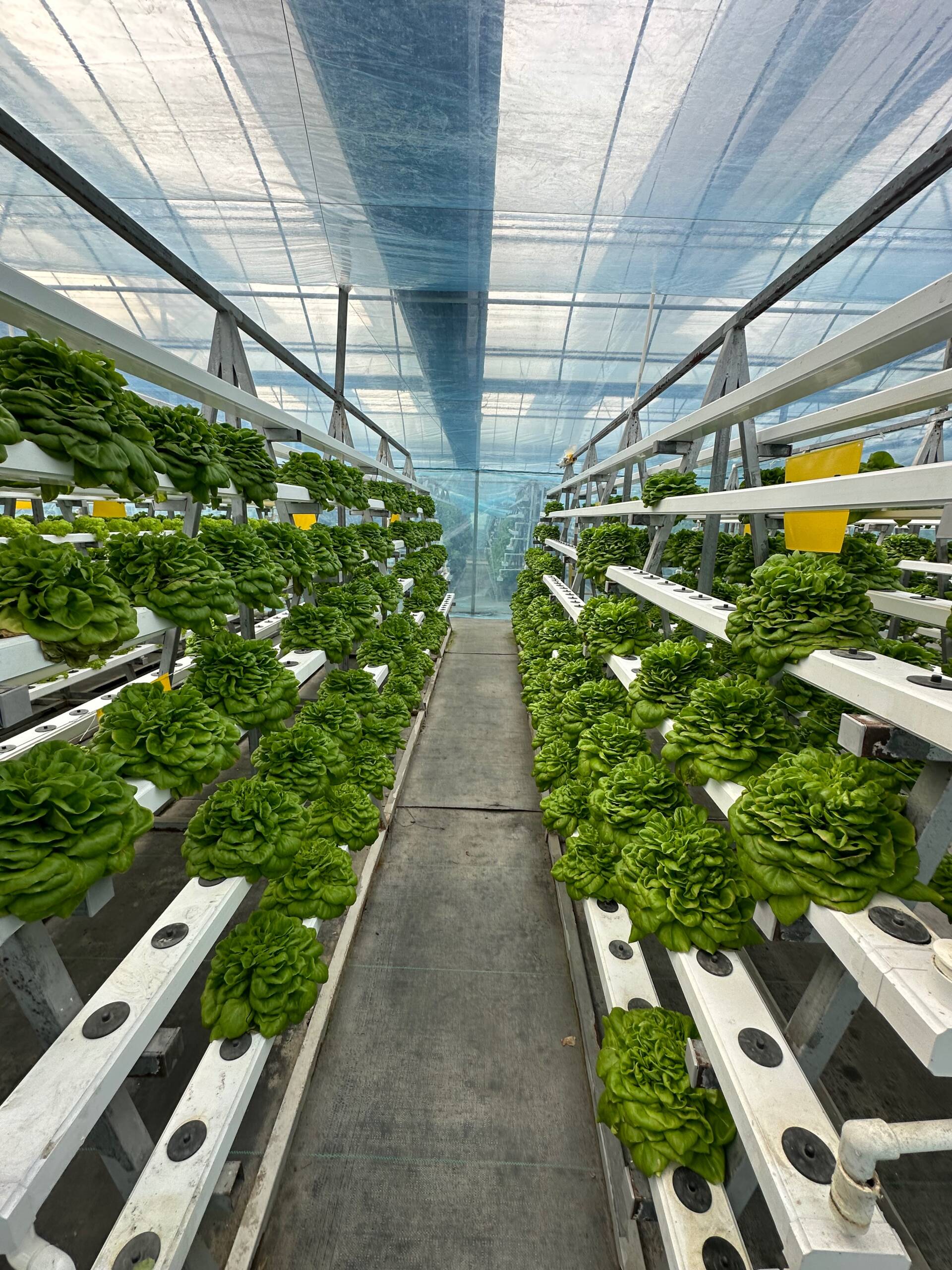
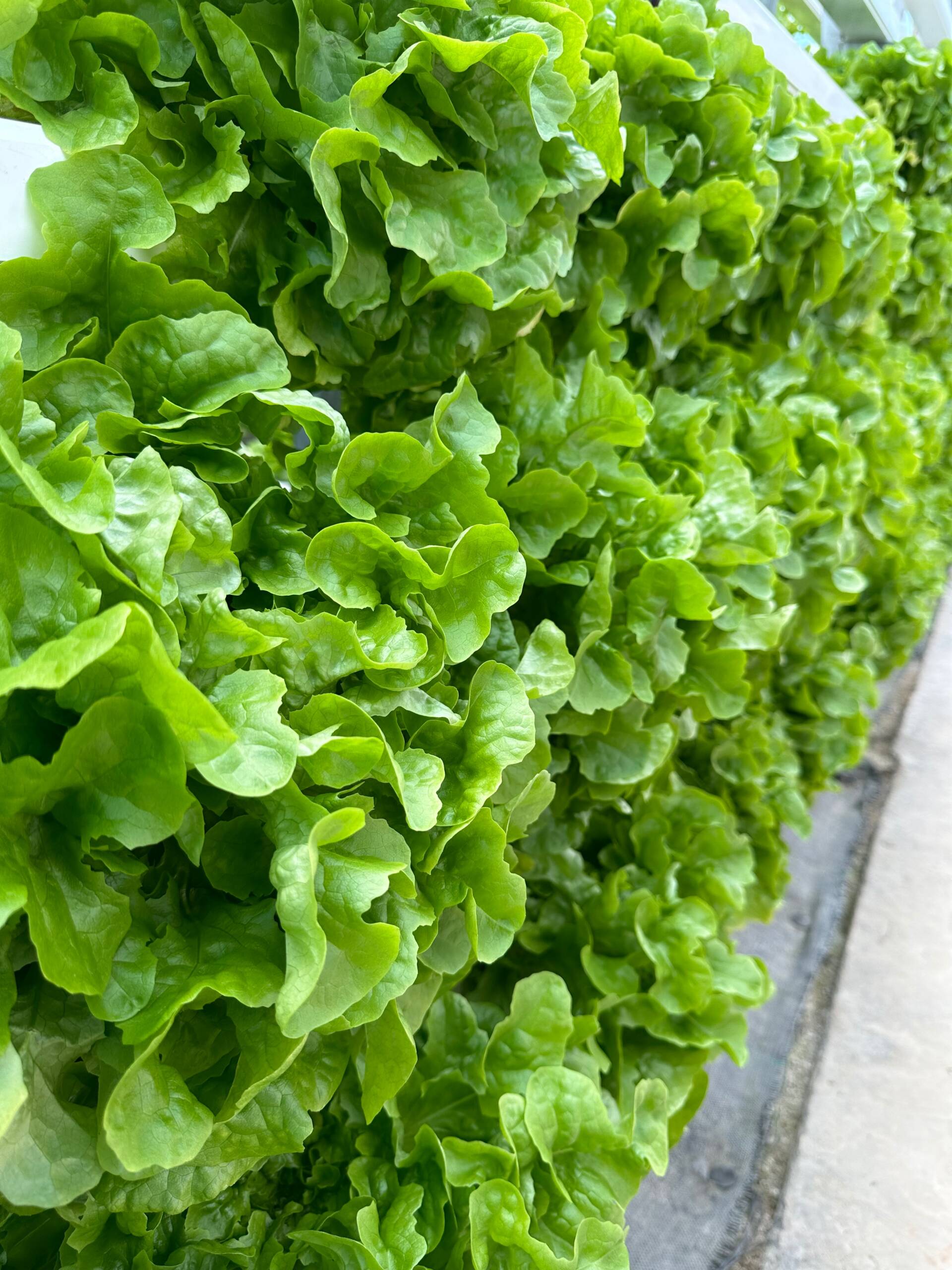
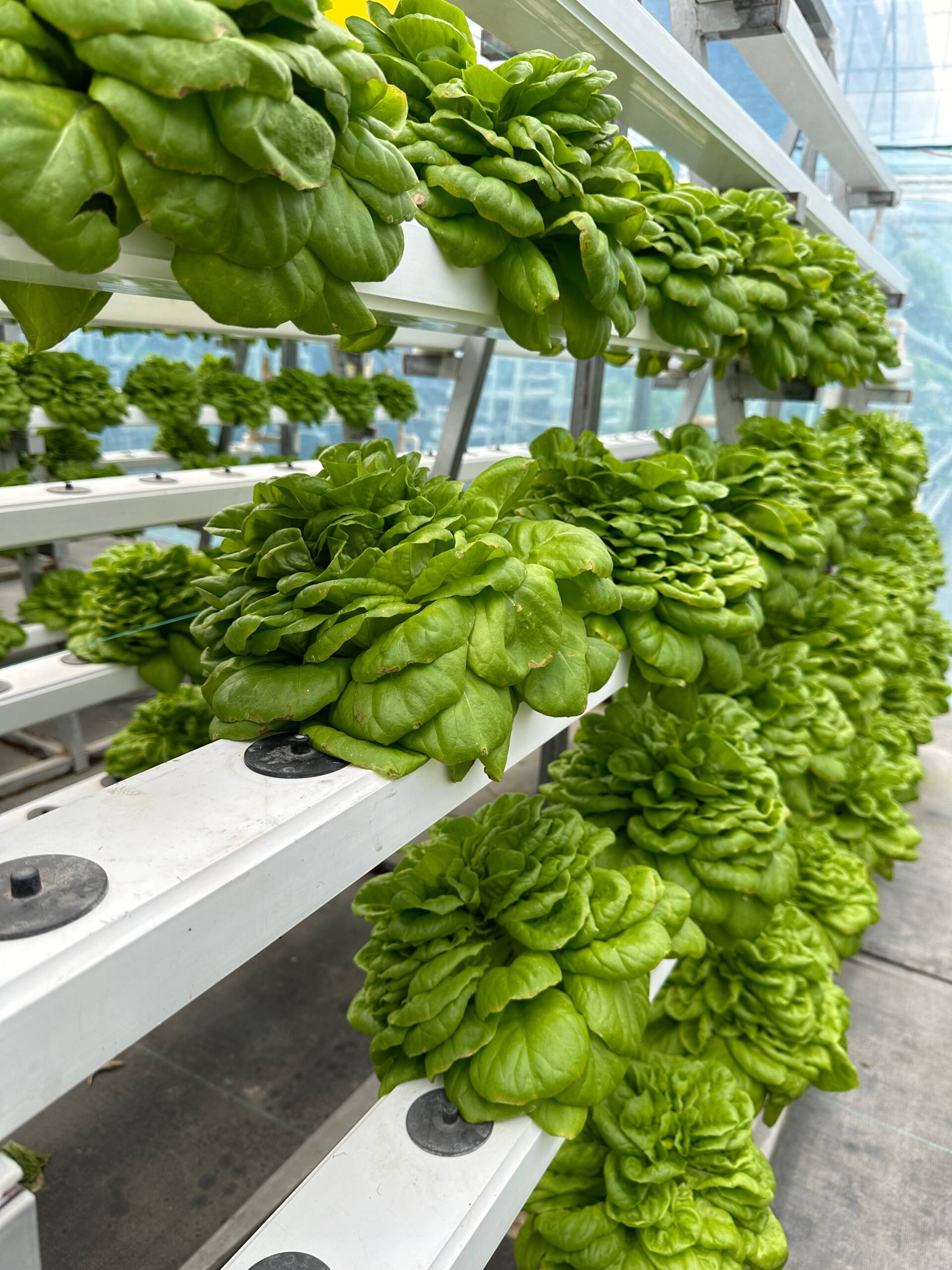
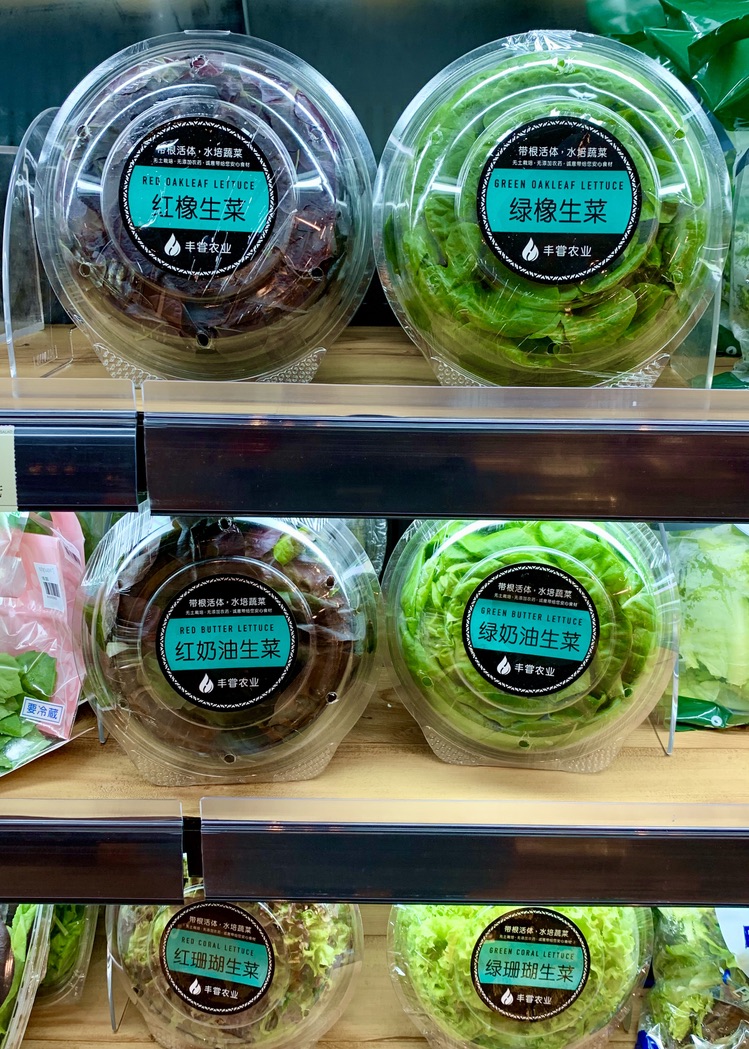
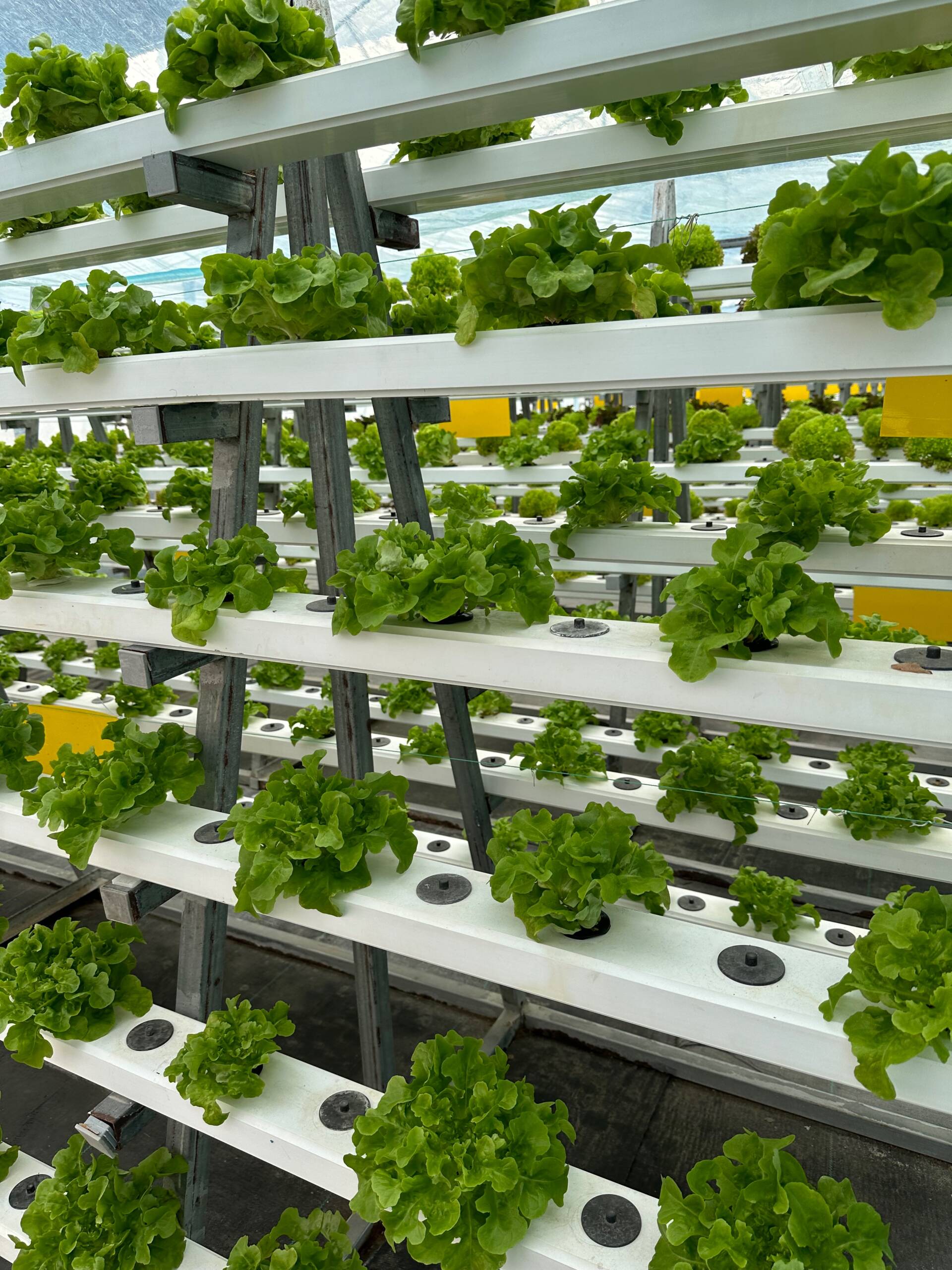
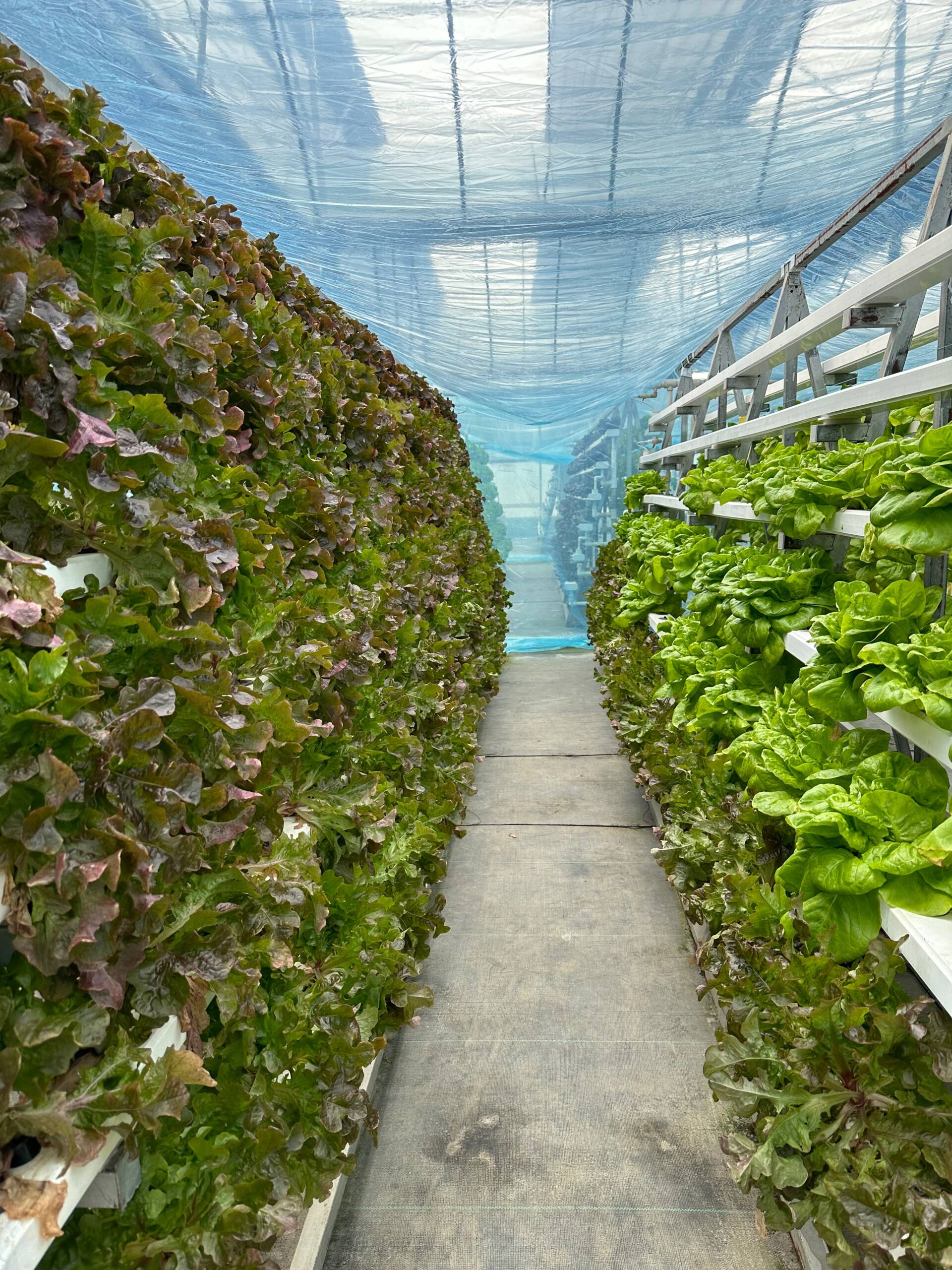
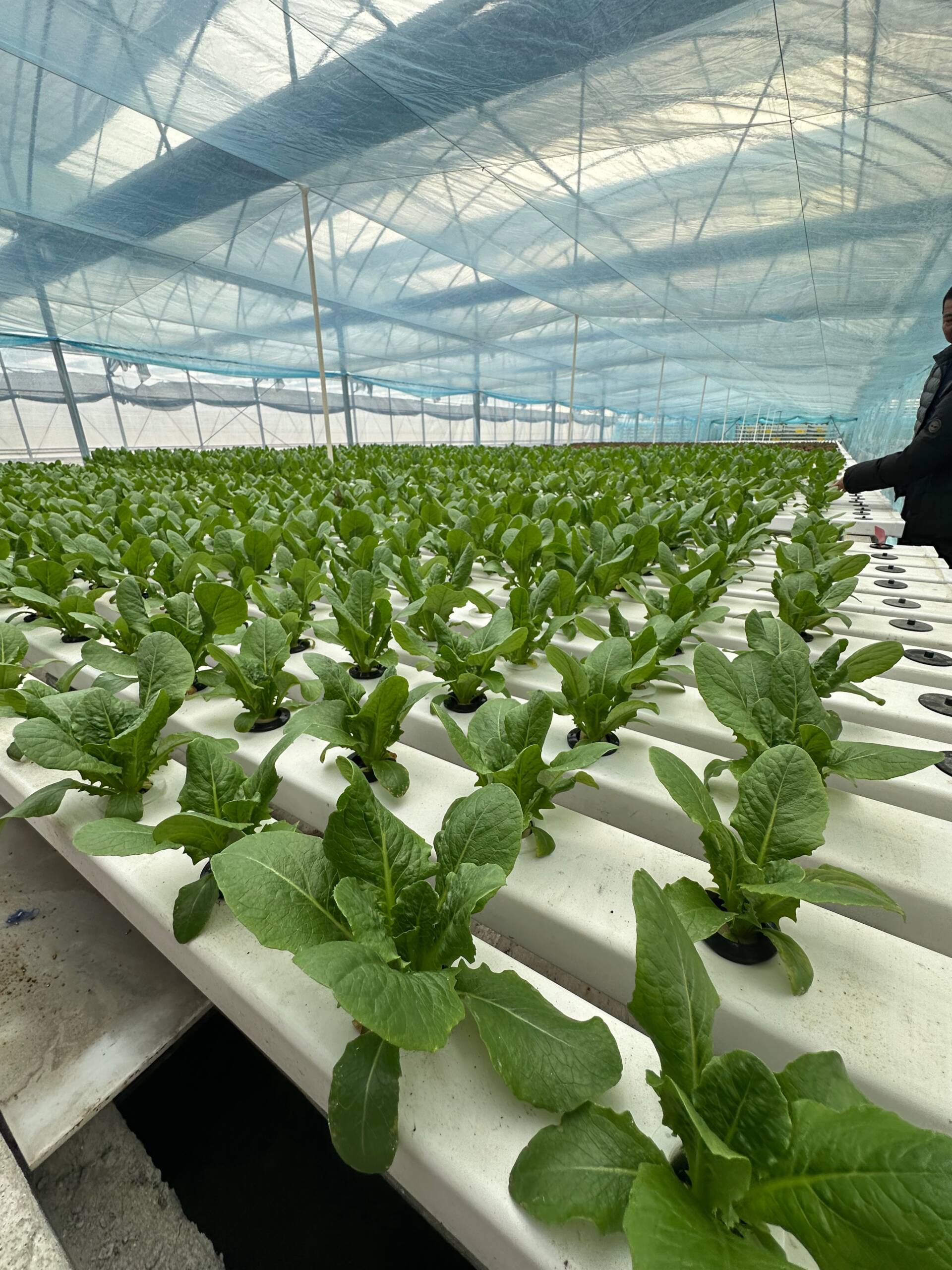
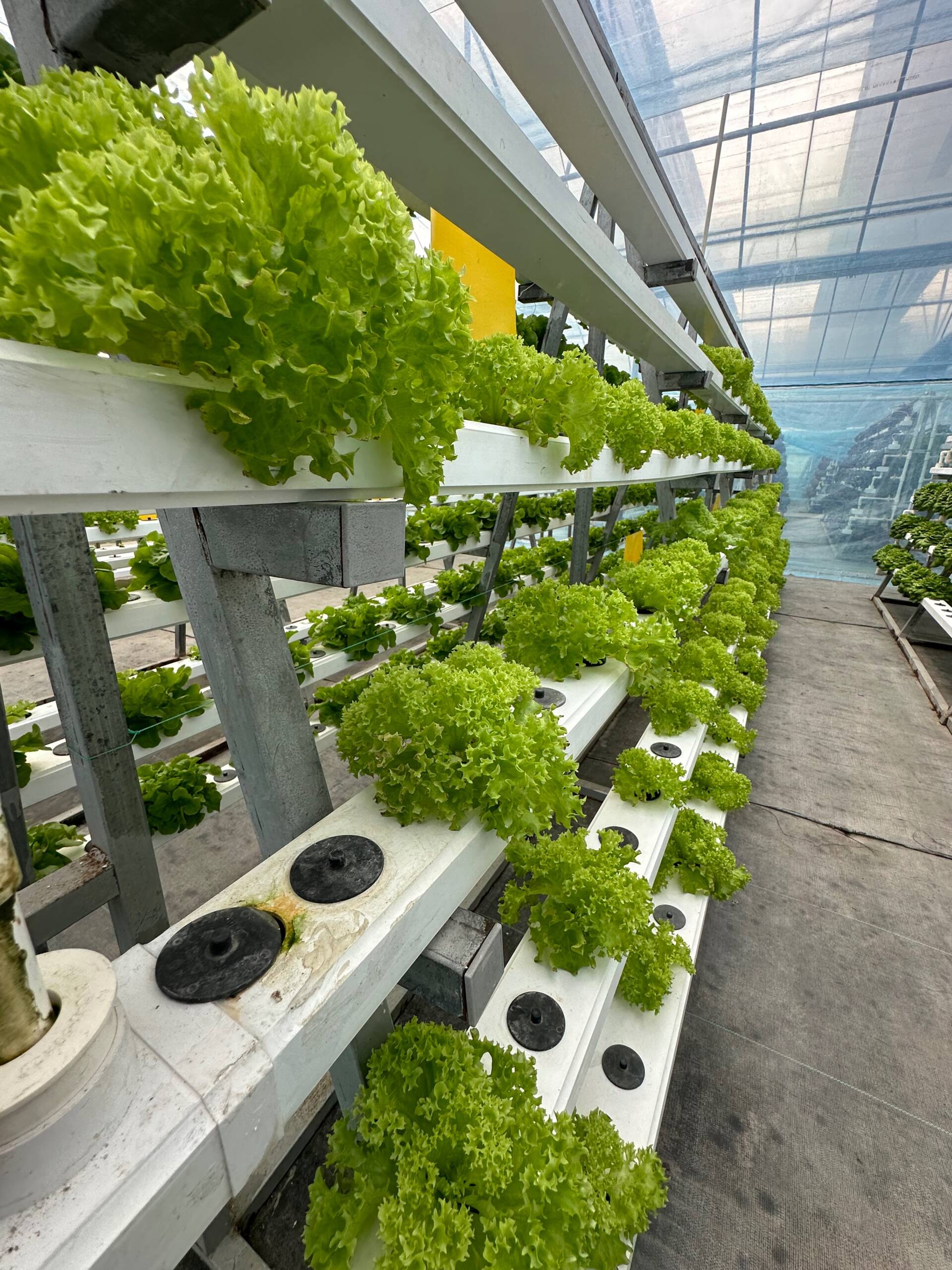
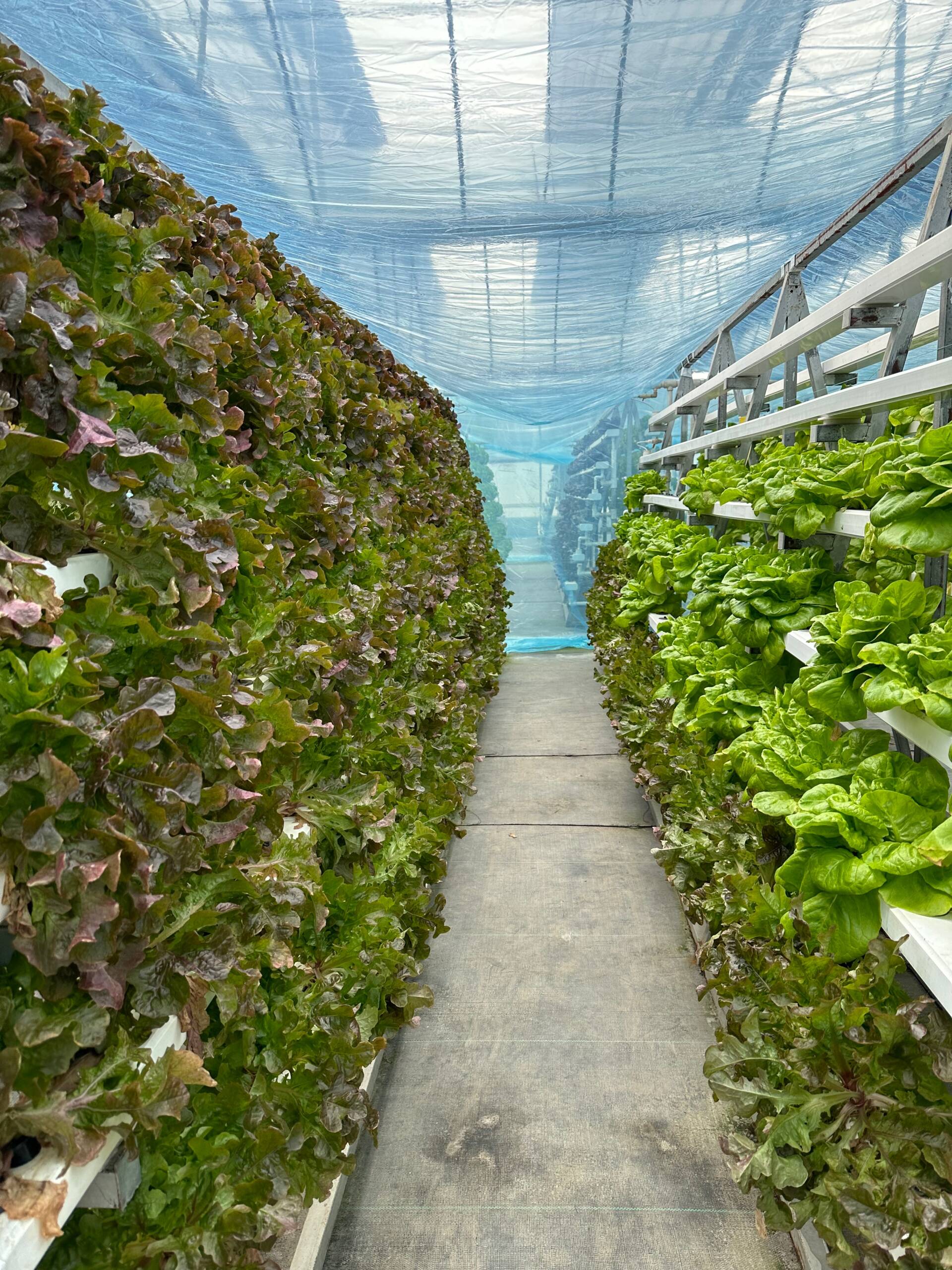
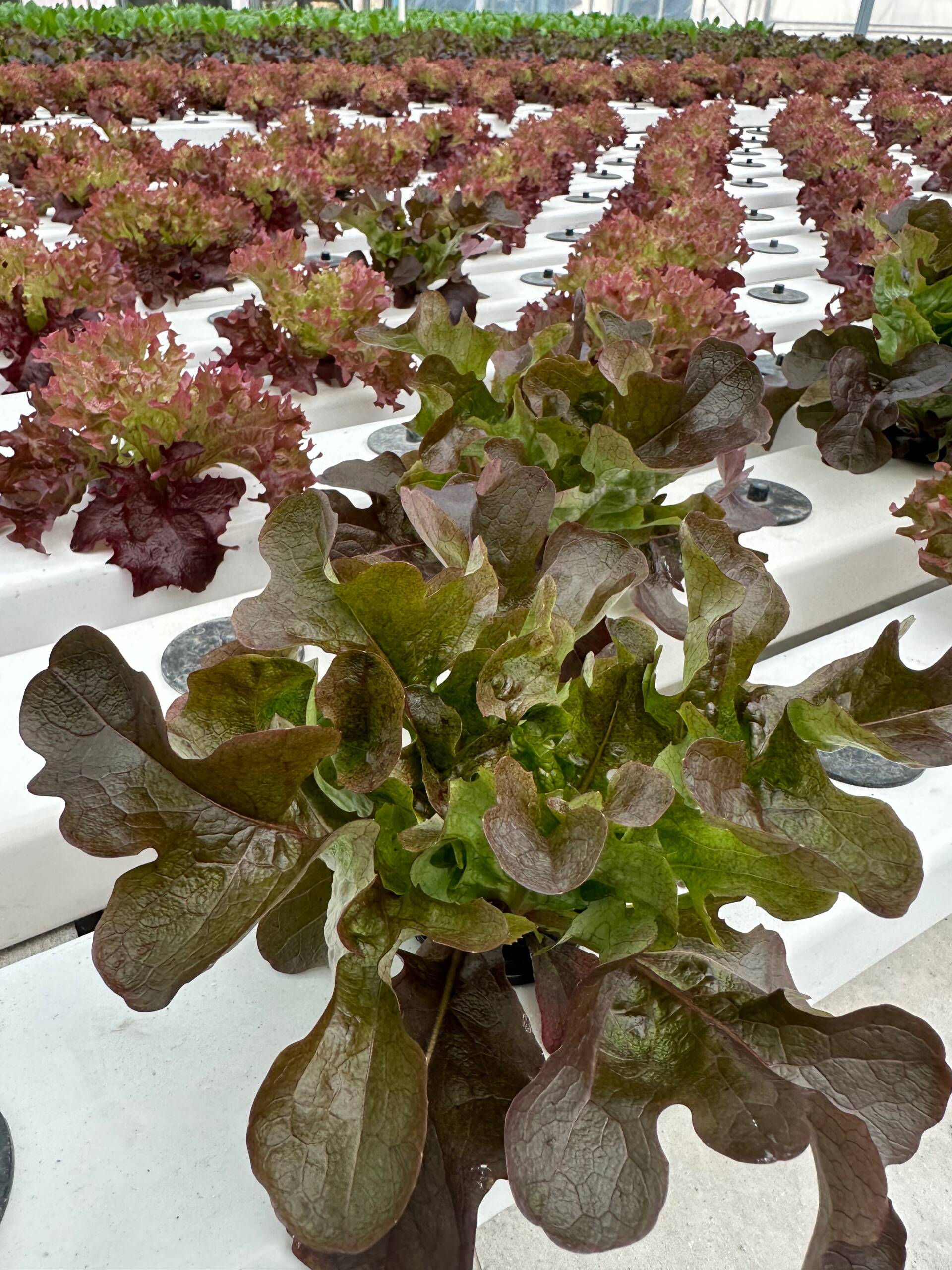
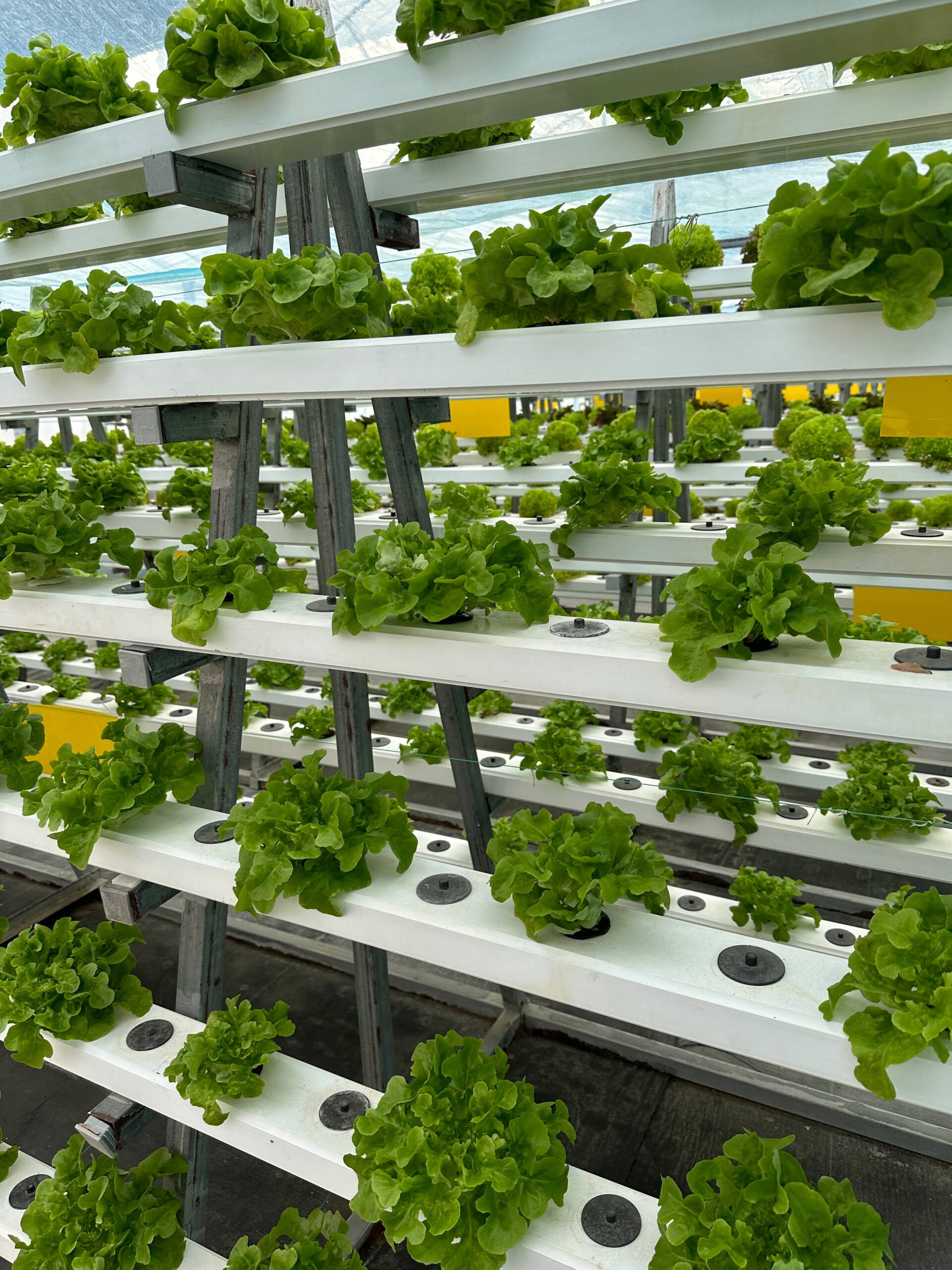
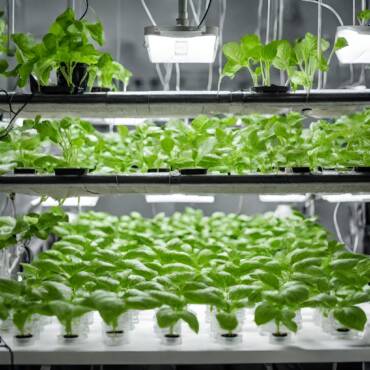
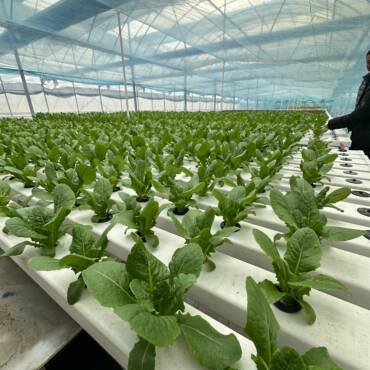
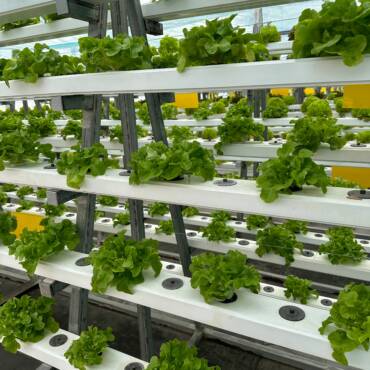
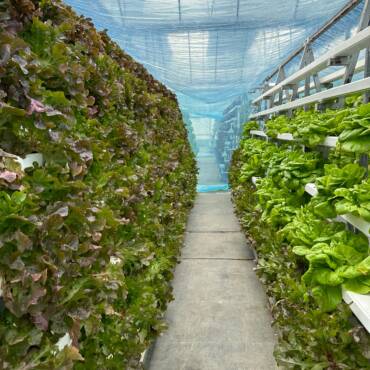
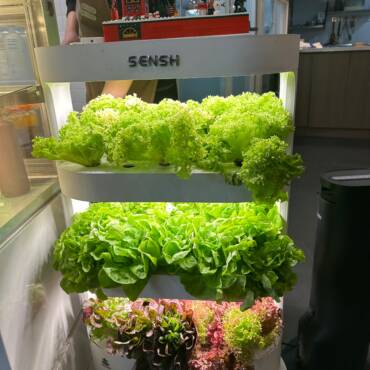
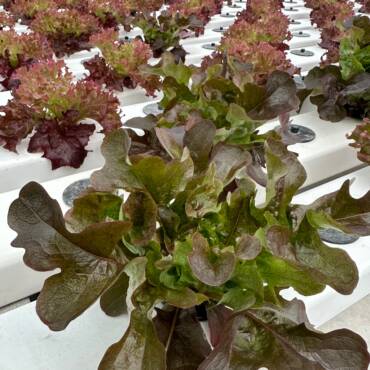
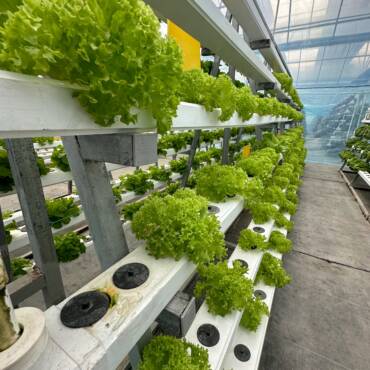
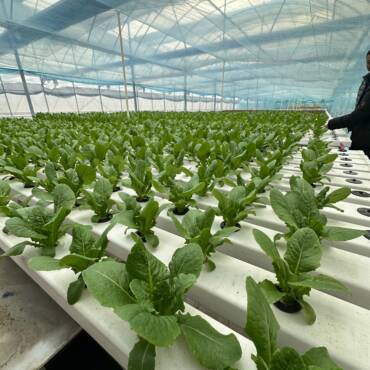
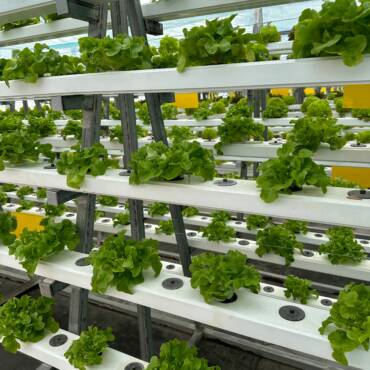
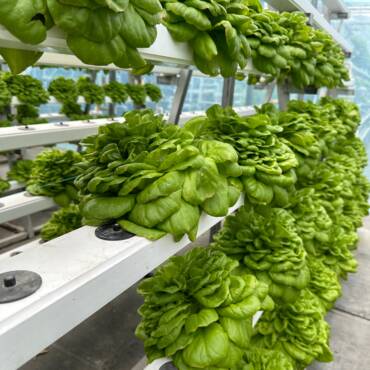
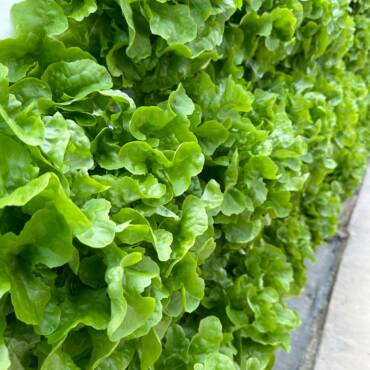
Hydroponics is a method of growing plants without soil. Vegetables,fruits and different types of greens are planted in different types of substrates, which are used to maintain the roots, while nutrients are delivered through the water.
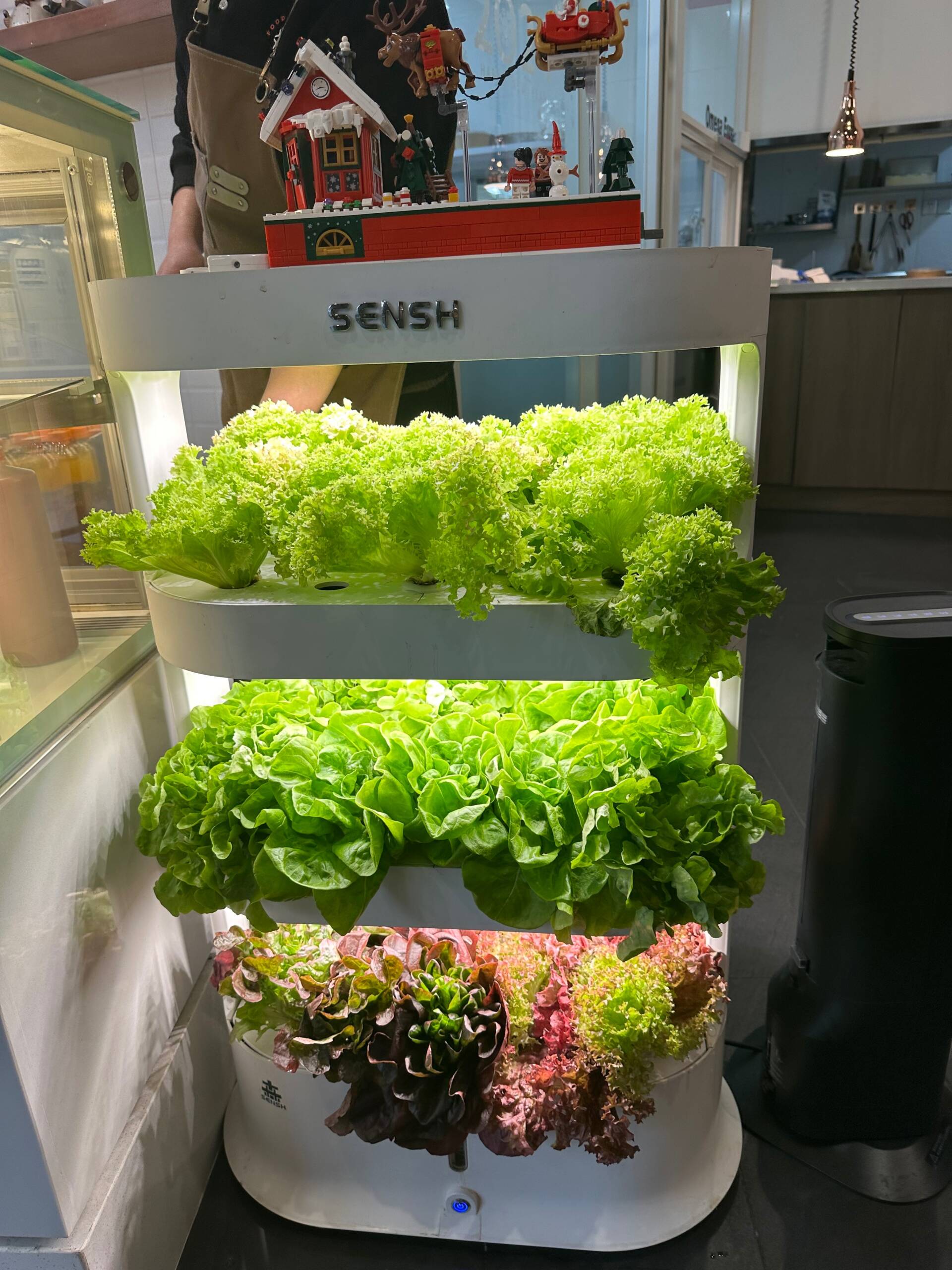
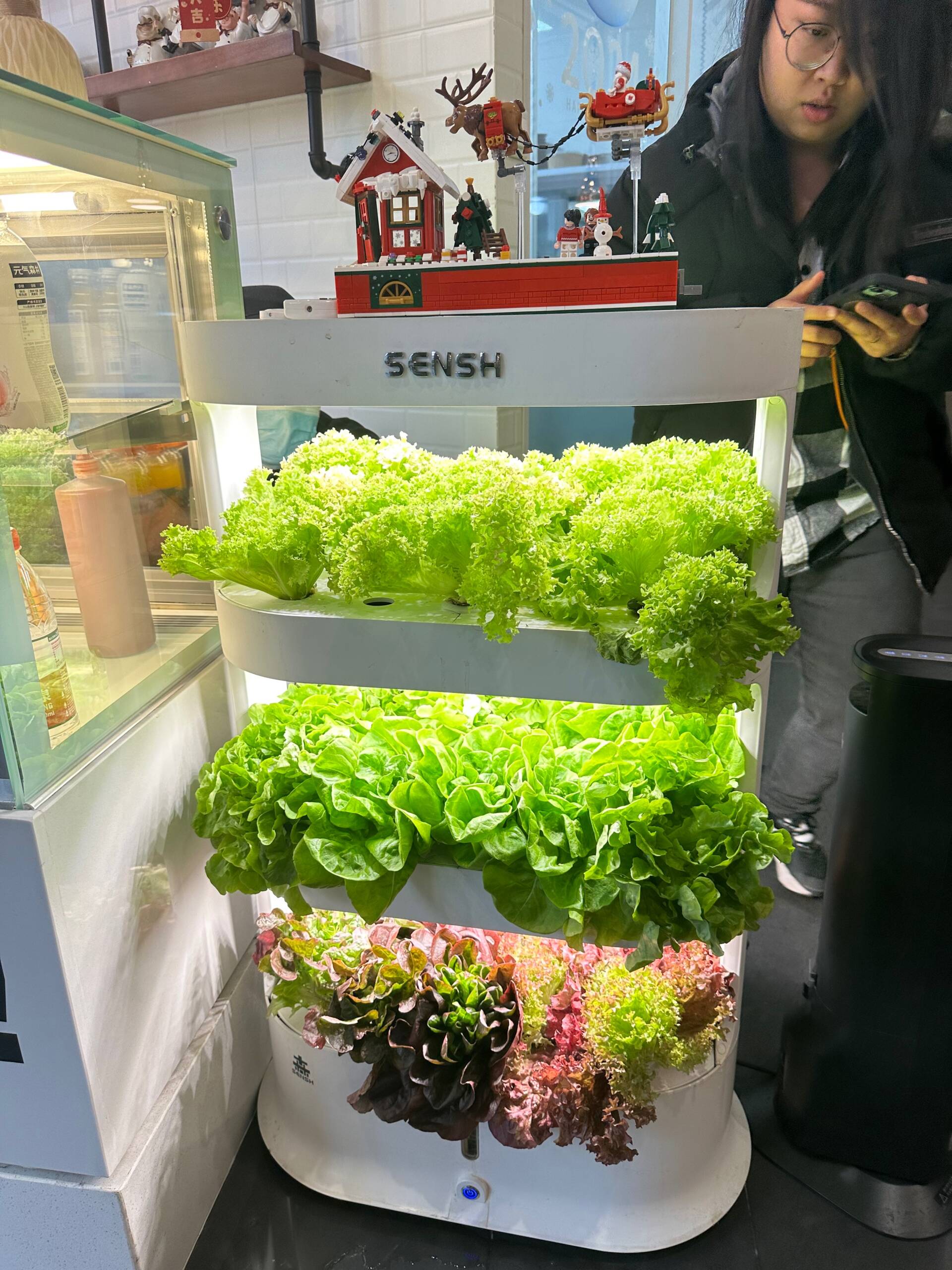
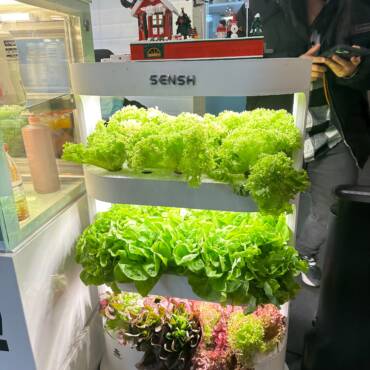
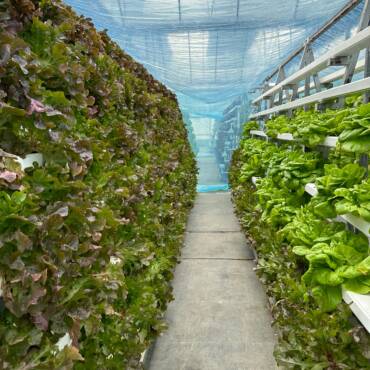
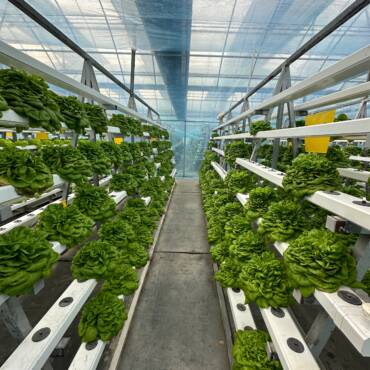
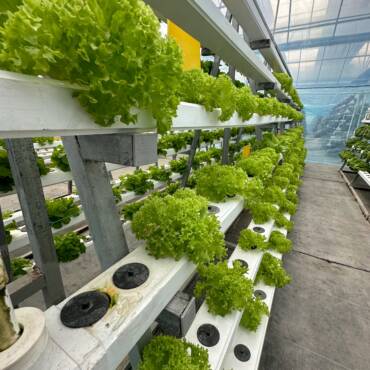
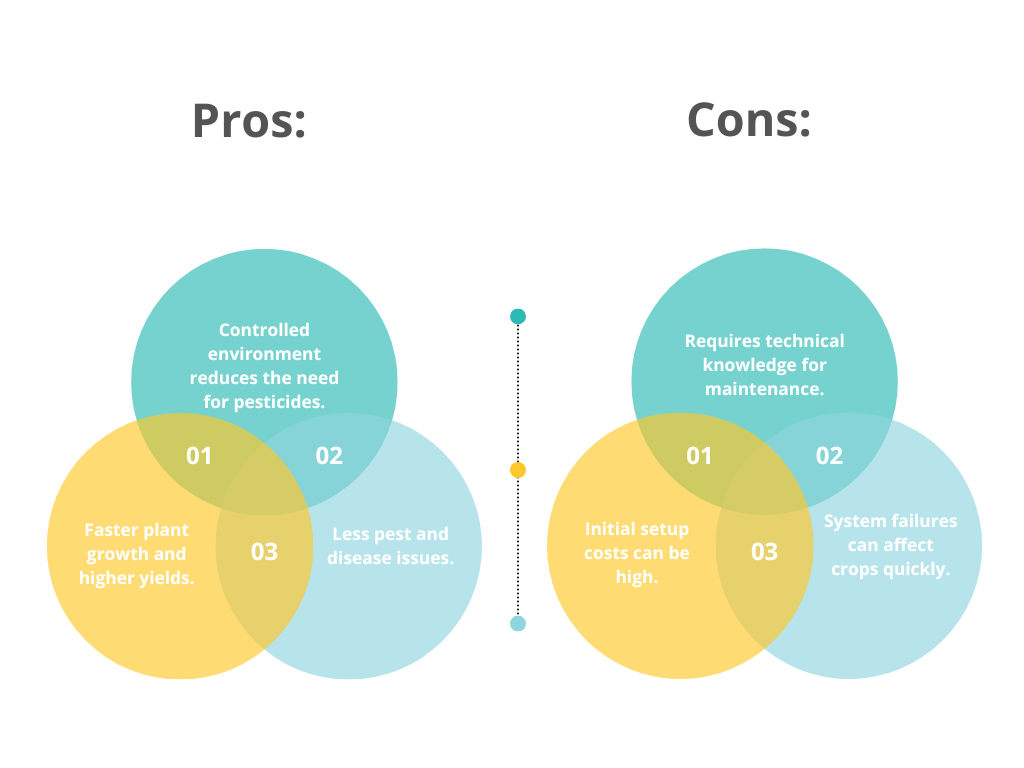
Hydrofarm Farm are systems for indoor/ outdoor hydroponic farming in a controlled environment growing healthy plants all year round without pesticides.
Hydroponic system fosters rapid growth, stronger yields, and superior quality. Depending on the nutrient solution the greens are grown in, hydroponically grown plants can be just as nutritious as those grown in soil or even more.
Year round Production
Efficient nutrient intake
Pesticide-free
Low water consumption
Sustainable
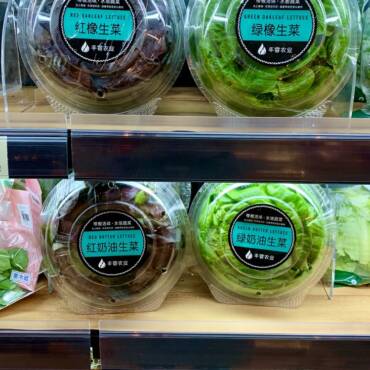
Local Production
Why is it important
Resource Efficiency
Space Saving
Year-Round Production
Reduced Transportation
How does it works?
Nutrient Solutions
Growing Mediums
Systems
Impact and Benefits:
Hydroponics positively affects our communities and environment by:
Promoting Food Security: Provides fresh produce to urban populations.
Encouraging Sustainable Practices: Reduces reliance on traditional farming methods that deplete resources.
Improving Health: Access to fresh, chemical-free vegetables supports healthier diets.
Fun Facts:
Hydroponics isn’t a modern invention; the Hanging Gardens of Babylon, one of the Seven Wonders of the Ancient World, is believed to have used similar growing techniques.
NASA uses hydroponics to grow plants in space, helping astronauts produce food and study plant growth in microgravity.
Thanks to optimal nutrient delivery and controlled environments, plants grown hydroponically can grow up to 50% faster than those grown in soil.
Hydroponics can produce food in urban areas, using less space than traditional farming—ideal for cities with limited agricultural land.
Hydroponic systems can operate indoors, allowing for year-round farming regardless of seasonal weather conditions.
Growing plants in a controlled environment reduces exposure to pests and diseases, minimizing the need for pesticides.
Hydroponics isn’t just for leafy greens; it can also grow fruits like strawberries, tomatoes, and even herbs like basil and mint.
Hydroponics uses up to 90% less water than traditional farming, making it an eco-friendly choice for sustainable agriculture